
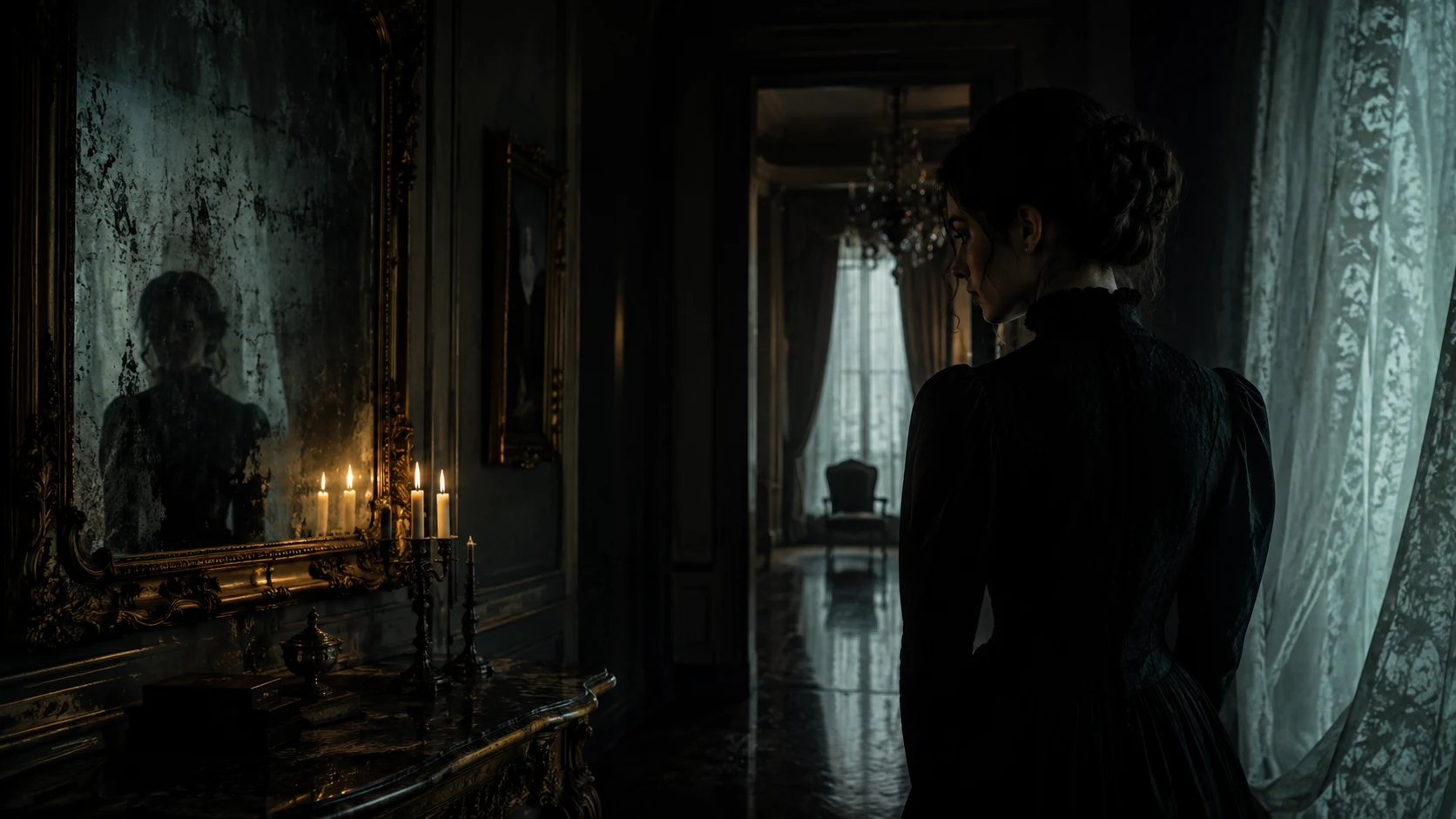
A gothic psychological thriller combines the pressure-cooker uncertainty of psychological suspense with the atmosphere, secrecy, and historical weight associated with gothic fiction. Instead of asking only who committed a crime, the story may ask whether a memory is reliable, whether an institution is protecting someone or controlling them, and whether a family history has been deliberately rewritten.
The gothic engine: the past is still active
Gothic stories thrive on inheritance. A house, hospital, school, family, archive, or town can carry a history that characters do not fully understand. The past creates pressure because something was hidden, erased, misnamed, or turned into an official version that no longer matches the evidence.
The setting can be grand or clinical. What matters is containment: characters feel observed, isolated, or trapped inside a place whose rules were established before they arrived.
The psychological engine: certainty keeps moving
Psychological thrillers make perception part of the conflict. Memory can be incomplete. Authority figures can interpret events differently. A character may discover that the explanation they trusted was designed to keep them compliant.
Common elements
- Missing, altered, fragmented, or disputed memories.
- Family secrets that affect present identity.
- Institutions with power to diagnose, classify, confine, educate, or archive.
- Documents, photographs, case files, recordings, or physical evidence that contradict official narratives.
- A setting whose atmosphere amplifies uncertainty and isolation.
- Revelations that change the meaning of earlier scenes rather than simply adding new information.
How it differs from gothic horror
Gothic horror may foreground terror, the supernatural, or the fear of an external threat. A gothic psychological thriller can contain frightening material, but its primary momentum comes from suspense, investigation, perception, and revelation. The threat may be supernatural, human, institutional, or deliberately ambiguous.
Why institutions are so effective
An institution can control language as well as space. It can decide which record is official, whose testimony is credible, what treatment is necessary, or which file a person is allowed to see. That gives psychological suspense a concrete structure: the protagonist is not arguing with one antagonist but with a system that can define reality on paper.
The Blackmere Files
Wonders Workshop presents The Blackmere Files as a complete gothic psychological thriller trilogy about stolen memories, erased mothers, and the institutions that control a child’s past. That premise directly joins gothic inheritance with psychological uncertainty and institutional power.
For readers drawn to this kind of thriller, the appeal often lies in the moment when atmosphere becomes evidence: the unsettling building, missing record, strange rule, or impossible memory finally reveals what kind of system the character has been living inside.